
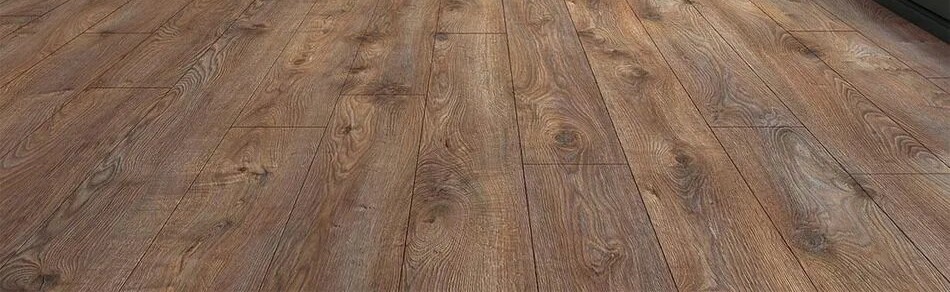
Installing laminate flooring is not just a technical job: it is also a way to transform your home, office or shop into a cosier, more modern and longer-lasting space. If you have landed here looking for ways to lay laminate flooring, you are in the right place.
In this article we will not only explain the most popular patterns and techniques, but also help you decide which one best suits your aesthetic and practical needs. We will also guide you so that laminate flooring installation is a simple, orderly and professional process, even if you decide to do it yourself.
Table of contents
Why is it important to choose the right way to lay laminate flooring?The most popular ways to lay laminate flooring1. Parallel (aligned with the longest wall)2. Perpendicular3. Chevron (French pattern)4. Herringbone5. DiagonalWhat to bear in mind before installing1. Level the floor2. Lay an underlay3. Leave an expansion gap4. Plan the laying patternTools you will needProfessional tips for a flawless finishWhich pattern to choose for your decor style?Why is it important to choose the right way to lay laminate flooring?Choosing the right way to lay laminate flooring affects not only the look of the space, but also:
- How big a room feels.
- How well the interior decor works together.
- How easy and efficient the installation is.
- How much of the material is used (less waste).
A well-planned installation can make the difference between a nice floor and a spectacular one.
The most popular ways to lay laminate flooring
1. Parallel (aligned with the longest wall)
This is the most common and simplest way to install it. The planks are laid parallel to the longest wall in the room.
Pros:
- Creates a sense of space.
- Very easy to install.
- Less material wasted.
Ideal for: rectangular rooms, hallways and rooms with a linear layout.
2. Perpendicular
Here, the planks are laid perpendicular to where the natural light comes in (for example, facing a window).
Pros:
- Accentuates natural light and highlights the pattern of the planks.
- A good choice for showing off the texture of the floor.
Ideal for: living rooms with large windows or spaces with lots of natural light.
3. Chevron (French pattern)
A more decorative and sophisticated option. The planks are cut at an angle (usually 45º) and laid in a “V” shape.
Pros:
- A very elegant, classic look.
- Brings movement and a touch of luxury to any room.
Ideal for: dining rooms, studies or spaces where you want the floor to take centre stage.
4. Herringbone
Similar to chevron, but in this case the pieces are not cut at an angle. Each board is laid perpendicular to the next, creating a “zigzag” pattern.
Pros:
- A timeless style, highly prized in interior design.
- Adds personality and sophistication.
Ideal for: large rooms or minimalist interiors.
5. Diagonal
The planks are laid at a 45º angle to the walls. It requires more cuts and more planning.
Pros:
- Gives a unique visual perspective.
- Ideal for disguising irregular walls.
Ideal for: small or irregularly shaped spaces.
Interested in laminate flooring installation in Malaga? At Payresa we have the best professionals, who will install your floor as well and as quickly as possible, taking care of the floor at all times and leaving a spectacular finish. Parquet installation in MalagaWhat to bear in mind before installing?Before you launch into laminate flooring installation, it is essential to prepare the space properly. Good preparation not only makes laying easier, but also ensures a durable, attractive result with no problems later on. Here are the key points to consider:
1. Level the floor
The first essential step is to make sure the surface you are going to install on is completely level, clean and dry. If the floor has irregularities, bumps or uneven areas, the planks will not fit together properly and could cause noise, movement or even breakages in the medium term.
Professional tip: use a long straight edge or a laser level to detect imperfections. If there are differences in level of more than 2-3 mm per linear metre, apply a levelling compound.
2. Lay an underlay
An underlay, also known as foam or underlay sheet, is laid between the subfloor and the laminate planks. It does several jobs:
- Sound insulation: it reduces the noise of footsteps.
- Thermal insulation: it improves comfort, especially in the colder months.
- Protection against moisture: in installations over a concrete screed or on ground floors, it prevents damage from rising damp.
Important: choose an underlay suited to the type of floor and the expected foot traffic. There are specific underlays for areas with underfloor heating.
3. Leave an expansion gap
Although laminate may seem rigid, it is made from materials that expand and contract with changes in temperature and humidity. That is why it is essential to leave an expansion gap of 8 to 10 mm between the planks and the walls, columns, doors and other obstacles.
What happens if you don't leave this gap? Over time the floor may bulge or lift, damaging the installation.
Handy tip: use spacer wedges to keep the gap even throughout the installation.
4. Plan the laying pattern
Don't start laying without first visualising how the planks will look in the space. Planning the pattern properly (whether parallel, chevron, herringbone, diagonal, etc.) will help you:
- Work out exactly how much material you need.
- Optimise cuts and reduce waste.
- Avoid ending up with very narrow planks in the last rows, which can look unsightly and be less durable.
Suggestion: do a “dry” installation of a few rows to check the effect visually before fixing them.
Tools you will need
Here is a basic list of tools for installing laminate flooring:
- Utility knife or power saw.
- Spacer wedges.
- Hammer and tapping block.
- Tape measure and pencil.
- Underlay (foam or polyethylene sheet).
- Straight edge or set square.
Professional tips for a flawless finish
- Dry-lay the boards without gluing them: this lets you see the pattern and make adjustments before fixing it.
- Start from the right-hand corner: this helps keep the joints straight and under control.
- Don't forget the skirting board: it gives the installation its finishing touch.
Which pattern to choose for your decor style?
In short, as you can see, there are many ways to lay laminate flooring, and each has its own character, advantages and purpose. The most important thing is to base your decision on how the space is used, the light, the decor style and the budget.
Whether you decide to do it yourself or prefer to call in professionals, laminate flooring installation can be a very satisfying experience if it is well planned.
And if you are thinking of renovating your home or business and are looking for quality, choice and professional advice, especially if you are interested in flooring in Malaga, make sure you work with specialist suppliers or installers who can deliver results that live up to your expectations.
If you enjoyed this article, you may also like: “Which is cheaper: laminate or vinyl flooring?“
Rate our article “Ways to lay laminate flooring: the complete guide”
Contact us with no obligation for a personalised quote tailored to your needs, or to answer any other questions you may have.