
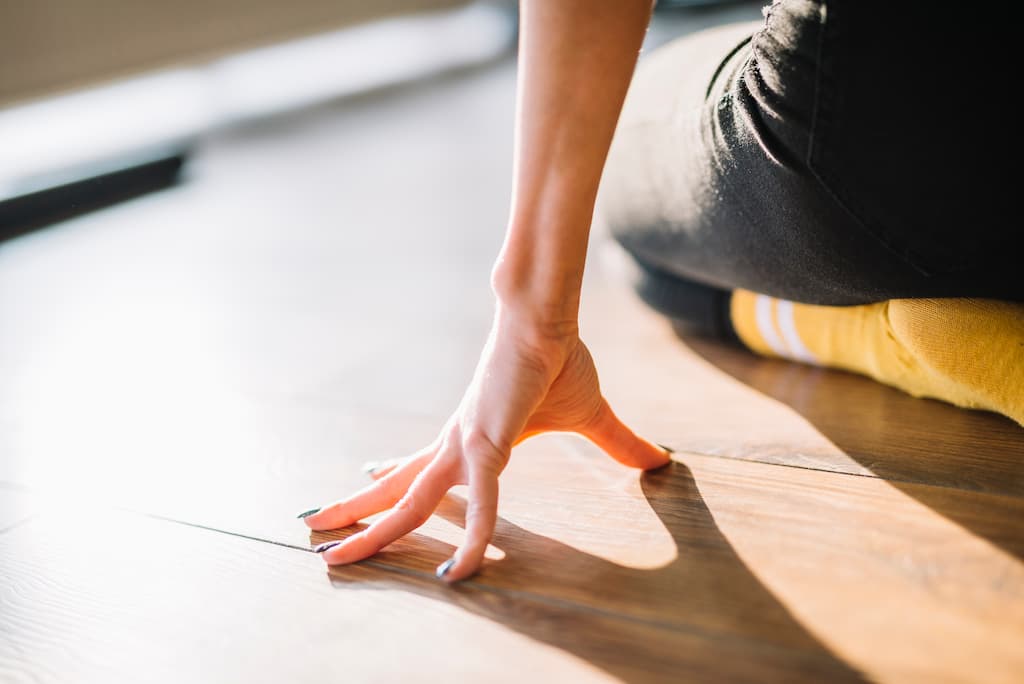
Choosing the right kitchen flooring is a crucial decision in any home renovation or building project. The kitchen is the heart of the home: a space where meals are prepared, friends and family gather and memories are made. The flooring in this area must therefore combine functionality, durability and style. In this article from Payresa, flooring in Malaga, we explore the different best kitchen flooring options available and their respective pros and cons to help you make the best decision.
1. Ceramic or Porcelain Tiles
Advantages
- Durability: Ceramic and porcelain tiles are extremely durable and can withstand the heavy traffic and daily use of a kitchen.
- Water resistance: These materials are highly water-resistant, which is essential in a kitchen where spills are common.
- Variety of designs: Available in a wide range of colours, sizes and styles, they can imitate the look of other materials such as wood or stone.
- Easy maintenance: They are easy to clean and maintain, resisting stains and damage from household chemicals.
Disadvantages
- Cold and hard: Tiles can feel cold and hard underfoot, which can be uncomfortable when standing for long periods.
- Complicated installation: Installation can be more expensive and complicated than with other types of flooring.
2. Vinyl Flooring
Advantages
- Comfort and warmth: Vinyl is softer and warmer underfoot than tiles, making it more comfortable.
- Water resistance: Modern vinyl floors are highly water-resistant, making them ideal for the kitchen.
- Easy installation: It is usually easier and cheaper to install, with self-adhesive vinyl options that simplify the process.
- Variety of designs: As vinyl flooring specialists in Malaga, we know that vinyl floors can imitate many other materials, from wood to stone, offering great aesthetic versatility.
Disadvantages
- Environmental impact: Some types of vinyl may not be the most eco-friendly option, as some use a manufacturing process and materials that are not environmentally friendly.
3. Wood Flooring
Advantages
- Looks: Wood provides a natural beauty and warmth that is hard to match, adding aesthetic value to the kitchen.
- Comfort: It is more comfortable underfoot than tiles and gives a feeling of warmth.
- Resale value: Wood floors can increase a home's resale value.
Disadvantages
- Sensitivity to water: Wood can be damaged by moisture and spills if not properly cared for.
- Maintenance: It needs regular maintenance, including possibly sanding and re-varnishing over time.
- Cost: It tends to be more expensive in terms of both materials and installation.
4. Laminate Flooring
Advantages
- Cost-effective: It is generally cheaper than real wood but can imitate its look very well.
- Simple installation: As laminate flooring experts in Malaga, we can confirm that it is easier to install, especially click versions that don't need adhesives.
- Durability: It resists scratches and abrasion, making it suitable for high-traffic areas.
Disadvantages
- Water resistance: Although some laminates are water-resistant, not all of them are, and prolonged exposure to moisture can cause damage.
- Feel and look: Although it can imitate the look of wood, it doesn't offer the same natural feel underfoot.
5. Natural Stone Flooring
Advantages
- Looks: Natural stone offers timeless beauty and a luxurious appearance that few other options can match.
- Durability: It is extremely durable and can last for decades with proper care.
- Resale value: It adds significant value to the home thanks to its appeal and durability.
Disadvantages
- Cost: Natural stone is one of the most expensive options in terms of both materials and installation.
- Maintenance: It needs regular maintenance, including sealing to protect it from stains and damage.
- Cold and hard: Like tiles, it can feel cold and hard underfoot.
6. Cork Flooring
Advantages
- Comfort and warmth: Cork is soft and warm underfoot, providing excellent comfort when standing for long periods.
- Impact absorption: It reduces fatigue when standing and is kinder to dropped plates.
- Eco-friendly: It is a sustainable option, as cork is taken from the bark of the cork oak without harming the tree.
Disadvantages
- Sensitivity to water: Although it can be sealed to improve its water resistance, cork is naturally porous and can be damaged by moisture.
- Durability: It can wear more quickly in high-traffic areas if not properly cared for.
- Cost: It can be more expensive than other options such as vinyl or laminate.
Choosing the best kitchen flooring depends on several factors, including lifestyle, budget and aesthetic preferences. If you're looking for durability and easy maintenance, ceramic or porcelain tiles may be the best option. For those who want a more comfortable and affordable option, vinyl or laminate could be ideal. If looks and long-term value are paramount, wood or natural stone offer unrivalled beauty. Finally, for an eco-friendly and comfortable option, cork is an excellent choice. Assess your needs and priorities to make the most informed and suitable decision for your kitchen.
We hope you found this article on “What is the best type of flooring for a kitchen?” useful. Remember that you can keep reading our blog; you might be interested in: How much it costs to lay a floating floor in a 90 m2 flat.
Rate our article on “What is the best type of flooring for a kitchen?”
Contact us with no obligation for a personalised quote tailored to your needs or to answer any other questions you may have.